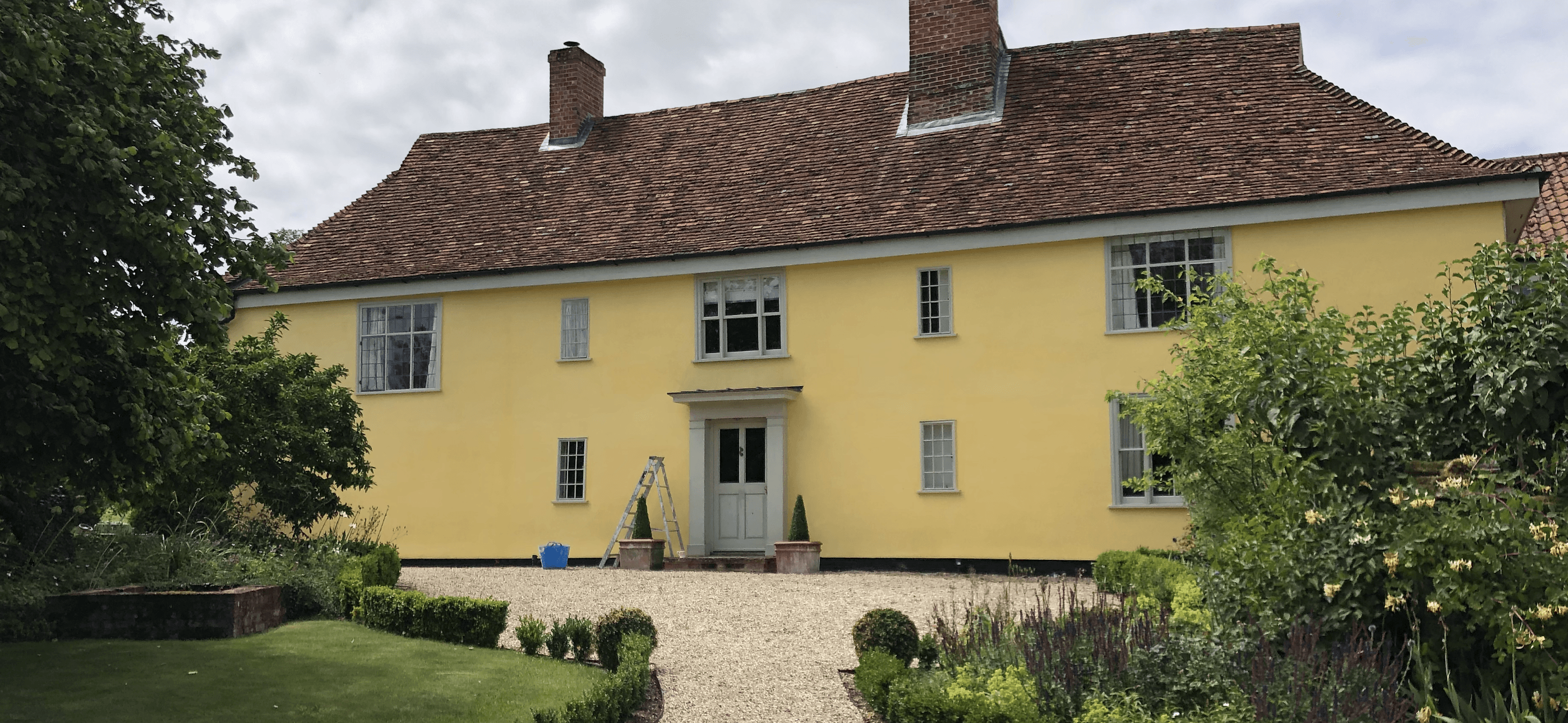
Lime Plastering & Pargetting SpecialistsSuffolk · Essex · Cambridgeshire · Norfolk
Expert heritage restoration and modern lime plastering services across Suffolk, Essex, Norfolk and Cambridgeshire. Trusted by homeowners and conservation officers for period properties and Grade II listed buildings since 2002.
Our Expertise
Specialist Lime Plastering Services
From traditional lime plastering to decorative pargetting and heritage restoration, we've been bringing specialist craftsmanship to period and listed properties across East Anglia since 2002.
Lime Plastering
Expert lime plastering services across Suffolk, Essex and Cambridgeshire for period and listed properties.
Learn more →Lime Wash
Traditional lime wash painting for a breathable, natural finish on lime-rendered and historic surfaces.
Learn more →Lime Repairs
Sympathetic lime repair work using premium products to match existing historic finishes.
Learn more →Walls & Ceilings Skimming
Professional wall and ceiling skimming services across Suffolk, Essex, Norfolk and Cambridgeshire.
Learn more →German Smear
A thin layer of lime mortar applied to brick or stone and partially wiped back for a characterful, textured finish.
Learn more →Pargetting
Traditional decorative lime plasterwork featuring relief patterns and ornamental designs, a distinctive craft of Suffolk and Essex.
Learn more →Why It Matters
Why Your Period Property Needs Lime
If your home was built before 1919, it almost certainly has solid walls — and solid walls need to breathe. Traditional lime plaster and render are porous and flexible, allowing moisture to move through the wall fabric as vapour rather than becoming trapped.
Modern cement and gypsum products do the opposite. Applied to an old building, they trap moisture behind a hard, impermeable surface — causing damp, timber decay, and serious structural damage over time. Lime is not simply a traditional preference; it is the only material that works correctly with the way old buildings move and manage moisture.
For Grade II listed properties, using inappropriate materials without listed building consent is a legal matter. We work with homeowners, architects and conservation officers across Suffolk, Essex, Cambridgeshire and Norfolk to ensure the right materials are specified and applied correctly every time.
Lime mortar, lime render and lime plaster are related but distinct: lime mortar bonds masonry (bricks, stone, flint), lime render is the external weather-facing coat, and lime plaster is the internal finish. All three are breathable and flexible — and all three are what your period or listed building was originally built with. We specify and apply the correct system for each substrate.
Breathable
Lime allows moisture to pass through walls as vapour, keeping masonry and timber dry and healthy.
Flexible
Lime moves with the building as it settles and expands, resisting cracks that rigid cement cannot handle.
Conservation-approved
For listed buildings, lime is usually a planning requirement — not a choice. We understand conservation standards.
Our Portfolio
Recent Projects
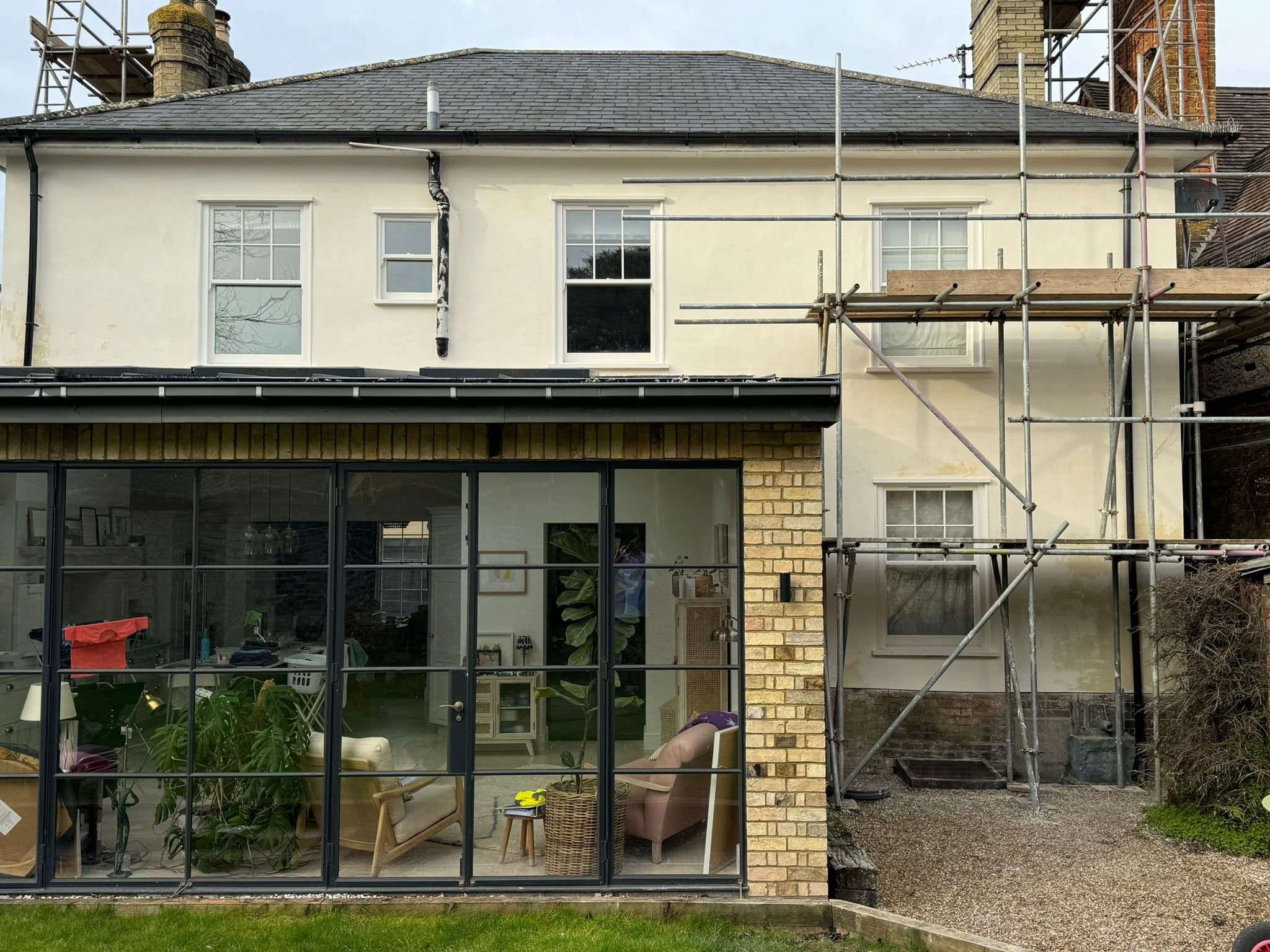
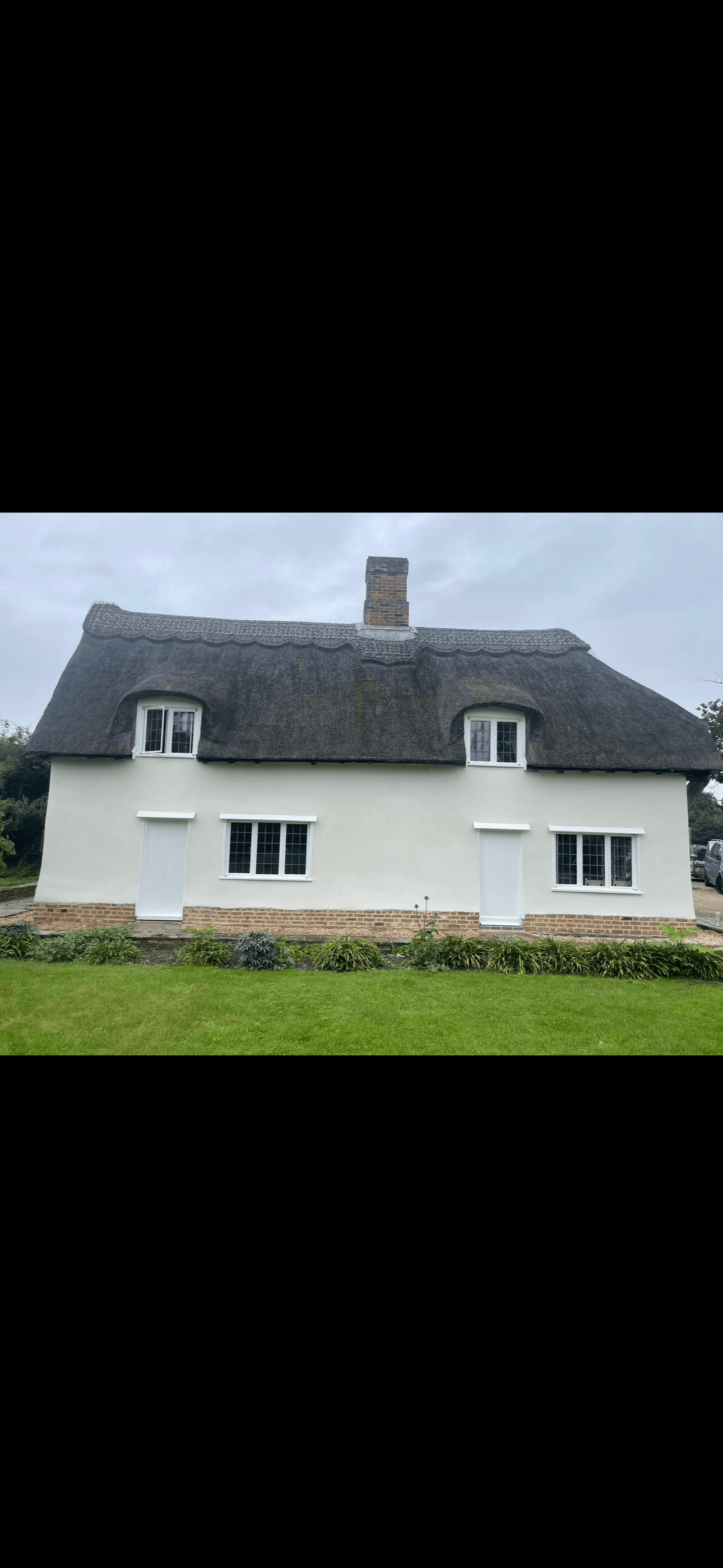
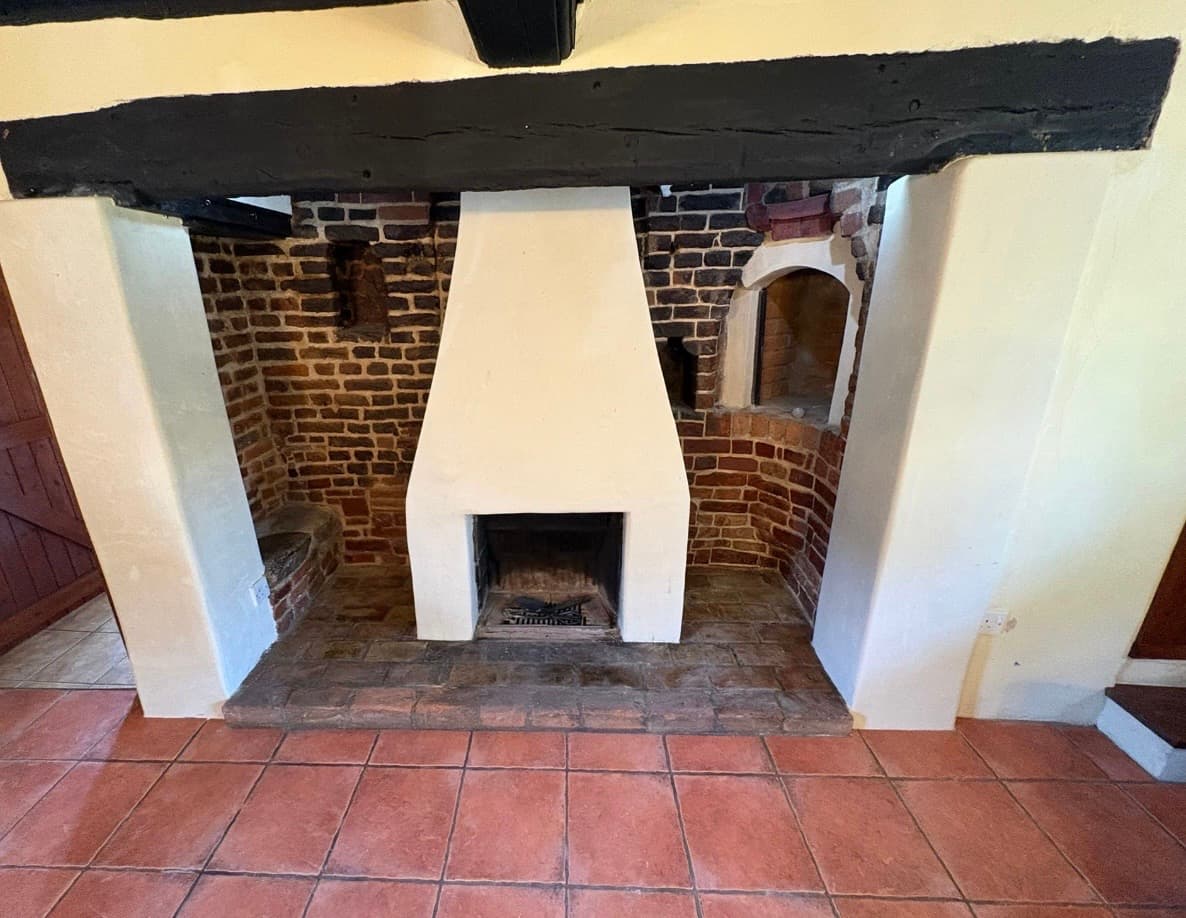
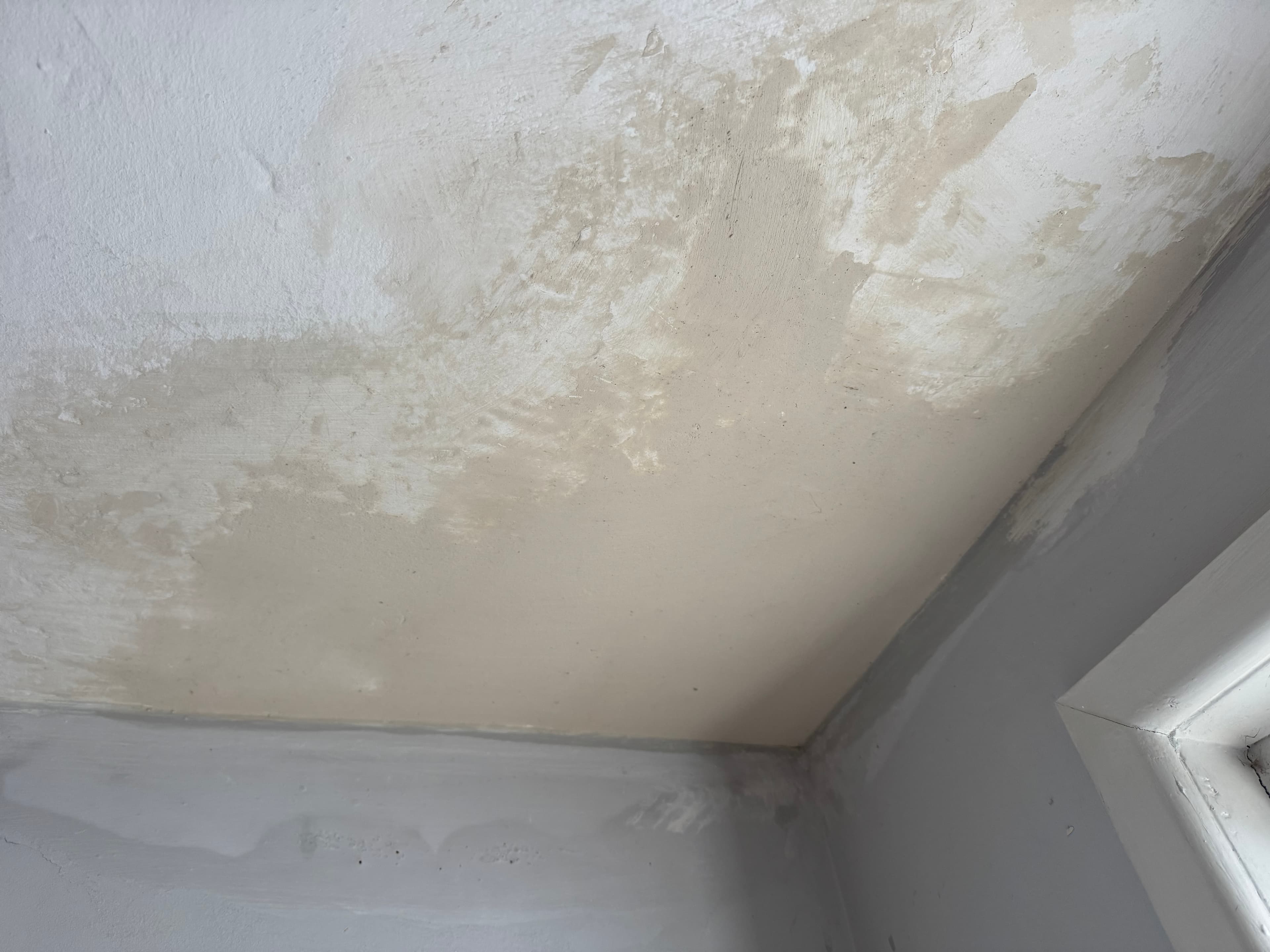
Examples of our lime plastering, pargetting and heritage restoration work on period properties and listed buildings across Suffolk, Essex, Cambridgeshire and Norfolk.
About Us
Heritage Craftsmen You Can Trust
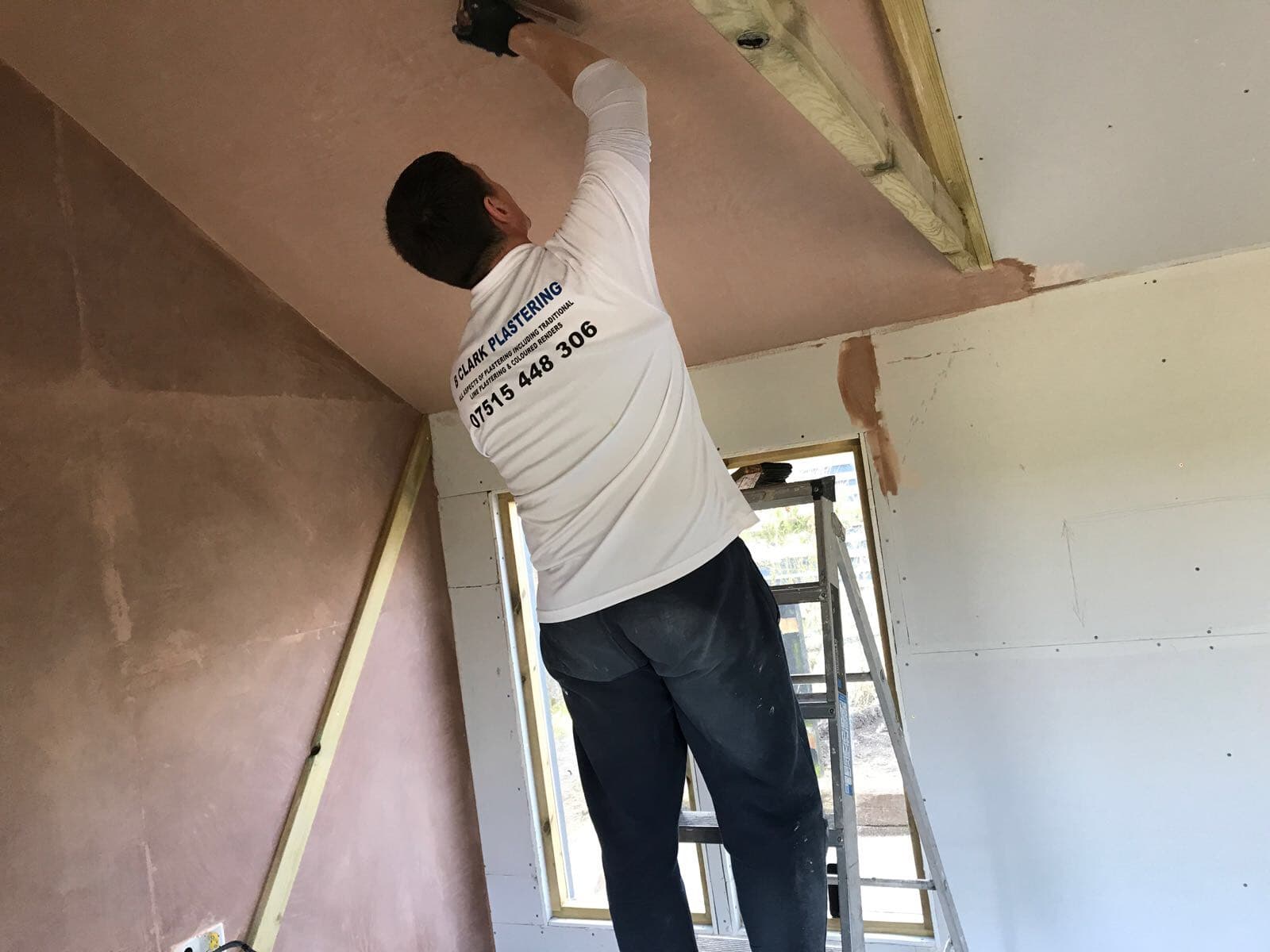
Professional Services & Highly Skilled Workmanship Based in Bulmer, near Sudbury in Suffolk, B Clark Plastering has been delivering expert lime plastering and heritage restoration since 2002. Barry Clark and his small team of highly skilled plasterers have successfully completed thousands of dom...
- Specialists in Grade II listed building restoration
- Traditional lime techniques using Limecote, Warmcote and Rendercote
- Covering Suffolk, Essex, Cambridgeshire and Norfolk since 2002
- Free, no-obligation quotes — we always visit before quoting
Testimonials
What Our Clients Say
“Excellent work on our Grade II listed farmhouse. The lime plastering is indistinguishable from the original. Highly recommended.”
— [Client Name], Grade II Listed Farmhouse
“B Clark Plastering transformed our period cottage. Professional, knowledgeable, and a pleasure to work with from start to finish.”
— [Client Name], Period Cottage
“The pargetting work on our home is stunning. Real craftsmanship — we couldn't be happier with the results.”
— [Client Name], Historic Property
Materials We Use
The Right Products for Every Project
We specify and apply the best lime products available for each substrate and situation. These are not off-the-shelf solutions — every material is chosen to suit the age, construction and condition of your property.
Limecote
A flexible lime-based finish coat used for internal and external surfaces. Breathable, durable, and suitable for historic and listed buildings. Zero shrinkage.
By Best of Lime →Warmcote
A thermal lime plaster providing improved insulation for period and listed buildings without compromising breathability. Ideal for solid walls.
By Best of Lime →Rendercote
A versatile lime render for external application, providing weather resistance and breathability on masonry, timber frame and stone buildings.
By Best of Lime →Frequently Asked Questions
Lime Plastering, Pargetting & Heritage Restoration
What is lime plastering and why is it used on period properties?+
Lime plastering uses traditional lime-based mortar, render and finish coats instead of modern cement or gypsum. Lime is breathable and flexible, so moisture can pass through walls as vapour rather than becoming trapped. This is essential for solid-wall and timber-framed buildings built before 1919, where modern materials cause damp, timber decay and structural damage.
What is the difference between lime mortar, lime render and lime plaster?+
Lime mortar is used to bond bricks, stone or flint masonry. Lime render is the weather-facing external coat applied to walls. Lime plaster is the smooth internal finish on walls and ceilings. All three are made from lime binders, are breathable, and are the correct system for period and listed buildings.
Do I need lime plaster for a Grade II listed building?+
Yes — in almost all cases. Using cement or gypsum on a listed building without listed building consent is a legal matter and can damage the fabric. Lime is normally a planning requirement, not a choice. We work directly with conservation officers across East Anglia to ensure specifications are correct.
What is pargetting and where is it traditional?+
Pargetting (also spelt "pargeting") is decorative relief plasterwork applied in lime to external walls, featuring patterns, motifs or scenes. It is a distinctive heritage craft of Suffolk and Essex, particularly visible in villages such as Clare and Lavenham. Few specialists still practise it — B Clark Plastering is one of them.
How long does lime plaster take to cure?+
Lime cures slowly by reacting with carbon dioxide in the air (carbonation). A typical lime plaster coat takes around 3 to 7 days per millimetre of thickness to dry, and full carbonation can take several months. This slow cure is what gives lime its breathability and flexibility.
Which areas of East Anglia do you cover?+
We cover Suffolk, Essex, Cambridgeshire and Norfolk, including Bury St Edmunds, Sudbury, Lavenham, Ipswich, Colchester, Saffron Walden, Cambridge, Ely, Norwich and Diss. We always visit the property before quoting.
Get In Touch
Request Your Free Quote
Contact us today for a free, no-obligation estimate across Suffolk, Essex, Cambridgeshire and Norfolk. We visit every property before quoting and are always happy to answer questions about what lime plastering involves for your specific building.
Phone
07515 448306Service Area
Suffolk, Essex, Cambridgeshire & Norfolk
Including Bury St Edmunds, Sudbury, Lavenham, Ipswich, Colchester, Saffron Walden, Cambridge, Ely, Norwich and Diss.
Ready to Get Started?
Tell us about your project and we'll get back to you with a free, no-obligation quote.